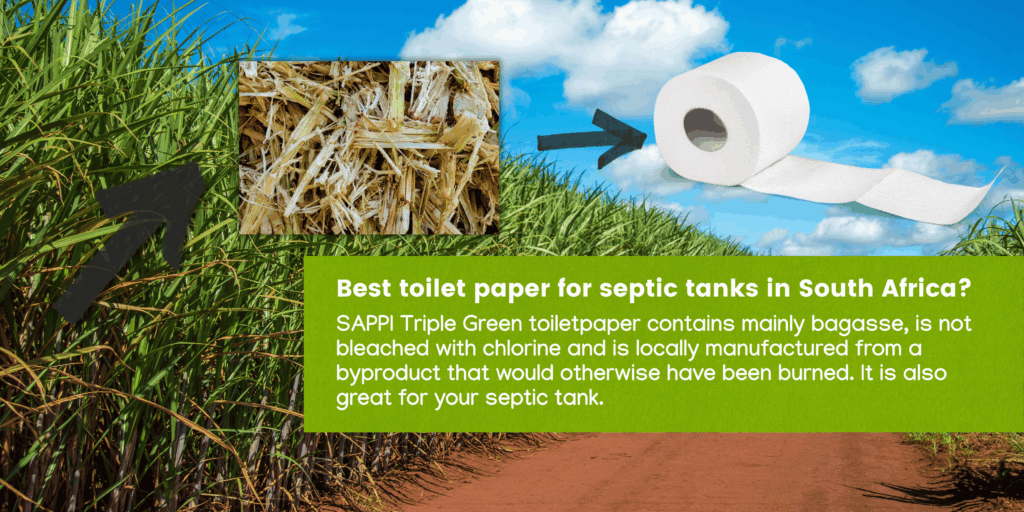
The humble toilet paper roll is undergoing a quiet revolution. For decades, our only choice was paper made from virgin trees. But today, a powerful contender has entered the bathroom: unbleached toilet paper made mainly from sugarcane fiber (often labeled as bagasse).
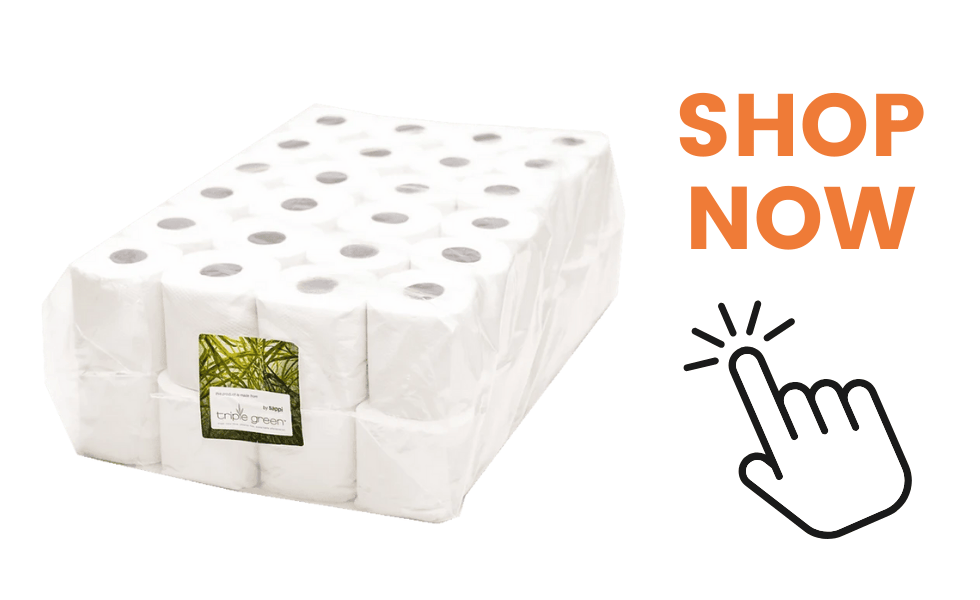
Sugarcane toilet paper is an exceptional choice for both septic tanks and camping due to its superior biodegradability. At Mrs Martin’s we use SAPPI Triple Green paper on our rolls. SAPPI Triple Green paper is made mainly from bagasse supplied by local sugarcane farmers in Kwazulu Natal.
But is it actually better? How does it break down? And how does it really stack up against the traditional tree-based rolls we all know?
This article cuts through the greenwashing to provide a clear, honest comparison. We’ll explore the journey from source to sewer, comparing the two across key factors like sustainability and biodegradability, so you can make an informed decision for your household.
1. The Raw Material: Where Does It All Begin?
This is the most fundamental difference and the core of the environmental debate.
- Tree-Based Toilet Paper:
- Source: Virgin wood pulp from trees, primarily fast-growing species like pine or bluegum.
- The Process: Trees are cut down, debarked, chipped into small pieces, and then cooked with chemicals to break them down into a pulpy slurry. This process is resource-intensive from the very start.
- Sugarcane Toilet Paper:
- Source: Bagasse – the dry, pulpy fibrous material that remains after crushing sugarcane stalks to extract their juice.
- The Process: This agricultural waste product, which was previously often burned, is repurposed. It requires no additional land, water, or farming dedicated solely to natural toilet paper production. It’s a brilliant example of upcycling waste.
Winner: Sugarcane. It uses a waste product, while tree-based unbleached toilet paper requires harvesting entirely new resources.
2. Environmental Impact: A Deep Dive
This is where sugarcane fiber truly shines.
- Deforestation & Land Use:
- Tree-Based: Contributes to deforestation and habitat loss. Even sustainably managed forests (certified by FSC or SFI) still require large tracts of land and long growth cycles.
- Sugarcane: Uses a byproduct that already exists. It requires far less deforestation and doesn’t use land that could otherwise grow food.
- Water Consumption:
- Tree-Based: Extremely water-intensive. Growing trees and the pulping/manufacturing process require billions of gallons of water.
- Sugarcane: The sugarcane plant itself is water-intensive to grow, but since the fiber is a byproduct, the water use is attributed to sugar production. The manufacturing process for bagasse pulp often uses less water than virgin wood pulping.
- Energy & Chemicals:
- Tree-Based: The process of breaking down tough wood lignin requires significant energy and harsh chemicals (like chlorine for bleaching).
- Sugarcane: Bagasse fiber is naturally softer and less rigid than wood, meaning it generally requires less energy and fewer chemicals to process into a soft pulp.
- Carbon Footprint:
- Tree-Based: Burning leftover tree waste and the energy-intensive process creates a higher carbon footprint.
- Sugarcane: Prevents the common practice of burning bagasse waste in fields, which releases CO2. Repurposing it into paper sequesters that carbon. The overall process typically results in a significantly lower carbon footprint.
Winner: Sugarcane. It is the clear champion across almost every metric of environmental impact.
3. Biodegradability: What Happens After You Flush?
This is a critical factor for plumbing and wastewater treatment.
- The Core Principle: Both toilet paper made from trees and sugarcane are 100% biodegradable. They are both derived from natural plant fibers (cellulose) and are designed to break down in water and in microbial-rich environments like septic tanks and sewage systems.
- Key Differences in Breakdown Speed:
- Tree-Based (Virgin): The long, strong virgin fibers that provide strength and softness can also take slightly longer to break apart. Highly processed, ultra-plush 3-ply versions may be the slowest to dissolve. While they are designed to be septic-safe, they contribute more to the potential for clogs, especially in older plumbing systems.
- Sugarcane: The fibers are typically shorter because they have been processed once before. This shorter length allows them to separate and disperse in water more quickly. Sugarcane toilet paper is often engineered specifically for rapid dissolution, making it one of the best choices for preventing pipe clogs and ensuring efficient breakdown in septic tanks and municipal water treatment facilities.
Winner: Sugarcane. While both will biodegrade, sugarcane paper generally breaks down faster and more completely due to its shorter fiber structure, making it the superior choice for septic system health and plumbing safety.
Summary Table: Quick Comparison
| Feature | Sugarcane (Recycled) TP | Tree-Based (Virgin) TP | Winner |
|---|---|---|---|
| Raw Material | Agricultural waste (Bagasse) | Virgin trees | Sugarcane |
| Deforestation | None | Potentially contributes | Sugarcane |
| Water Footprint | Lower | Higher | Sugarcane |
| Carbon Footprint | Significantly lower | Higher | Sugarcane |
| Biodegradability | Excellent (Dissolves very quickly) | Good (Dissolves, but slower) | Sugarcane |
| Septic Safe | Excellent | Good (check labels) | Sugarcane |
Final Verdict: Which One Should You Choose?
The best choice depends on what you value most:
- Choose SAPPI Triple Green Toilet Paper if:
- Reducing your environmental impact is your top priority.
- You want to support innovative, circular economies that use waste products.
- You have a septic system or concerns about plumbing and need a paper that dissolves quickly and completely.
- Choose Tree-Based Toilet Paper if:
- You need to buy toilet paper at the lowest possible price point.